1. Sketching and Doodling
Sketching is the ideal hobby for anyone whose calendar refuses to cooperate. Unlike painting, which often requires setup, drying time, and cleanup, sketching demands nothing more than a pencil and paper. You can pick it up during a five-minute coffee break or lose yourself in it for an hour after a long shift.
The beauty of doodling lies in its flexibility. There are no rules, no deadlines, and no pressure to produce a masterpiece. Whether you’re capturing the view from a hotel window during business travel or sketching your morning mug, the activity engages your mind while quieting daily stress. Studies have shown that repetitive, creative drawing can lower cortisol levels and induce a meditative state.
For those with unpredictable hours, a pocket-sized sketchbook becomes a portable stress reliever. Start with simple shapes, practice shading, or follow online tutorials when time allows. The hobby scales effortlessly to whatever minutes you can spare.
2. Journaling
Journaling adapts seamlessly to chaotic schedules because it requires no fixed routine. You can write a single sentence before bed or fill three pages during an unexpected break. The practice helps process emotions, organize racing thoughts, and track personal growth over time.
Bullet journaling, gratitude logs, and stream-of-consciousness writing each offer different benefits. Gratitude journaling, in particular, has been linked to improved mental well-being and better sleep quality. For shift workers and freelancers, journaling provides a sense of stability amid constantly shifting days.
All you need is a notebook and pen, or a notes app on your phone. The low barrier to entry means you’ll never feel guilty for missing a “session”—every entry, no matter how brief, counts as progress.
3. Knitting and Crocheting
Knitting and crocheting are repetitive, rhythmic crafts that promote relaxation similar to meditation. The gentle, looping motions help calm the nervous system, making these hobbies excellent for unwinding after irregular or stressful shifts.
These crafts are wonderfully pause-friendly. You can knit a few rows during a quiet moment, then set your project down for days without consequence. Yarn and needles travel easily, fitting into a tote bag for commutes, waiting rooms, or downtime between tasks.
Beginners can start with simple projects like scarves or dishcloths before progressing to hats, blankets, or sweaters. The satisfaction of creating something tangible adds a rewarding dimension that purely digital hobbies often lack.
4. Container Gardening
Container gardening offers the therapeutic benefits of nurturing plants without the demands of a sprawling backyard plot. Herbs, succulents, and small vegetables thrive in pots on windowsills, balconies, and countertops—perfect for people who can’t commit to rigid watering schedules.
Caring for plants has measurable mental health benefits, including reduced anxiety and increased feelings of accomplishment. Many plants, such as snake plants, pothos, and cacti, are forgiving of inconsistent attention, making them ideal for unpredictable lifestyles.
The hobby invites brief, mindful moments of connection with nature. Whether you’re checking soil moisture or harvesting fresh basil for dinner, gardening grounds you in the present. Start small with a single herb pot, then expand your green collection as confidence grows.
5. Reading
Reading remains one of the most accessible relaxing hobbies for those with irregular schedules. A book waits patiently on your nightstand or in your bag, ready whenever a free moment appears. E-readers and audiobooks make literature even more portable and flexible.
Audiobooks deserve special mention for busy individuals. You can absorb a gripping novel while commuting, cooking, or completing chores—turning otherwise idle time into enriching escapes. Reading has been shown to reduce stress by up to 68 percent, often faster than music or a walk.
Choose genres that genuinely relax you, whether that’s cozy mysteries, fantasy worlds, or nonfiction. The key is following your curiosity rather than feeling obligated to finish books. Reading should feel like a reward, not another item on your to-do list.
6. Photography
Photography transforms ordinary moments into creative opportunities, making it perfect for unpredictable lifestyles. With a smartphone always in your pocket, you can capture interesting light, architecture, or candid scenes whenever inspiration strikes—no dedicated time slot required.
The hobby encourages mindfulness by training you to notice beauty in everyday surroundings. A morning frost, an interesting shadow, or a bustling street corner becomes a subject worth exploring. This shift in perspective can make even routine commutes feel fresh and engaging.
Photography also grows with your interest. You might start with casual phone snapshots, then graduate to editing apps or even a dedicated camera. There’s no pressure to produce gallery-worthy work; the joy lies in seeing the world more attentively.
7. Yoga and Stretching
Yoga delivers physical and mental relaxation in sessions as short as five minutes or as long as an hour, accommodating any schedule. Unlike gym memberships that require commute time, yoga can happen anywhere—your living room, a hotel, or even a quiet office corner.
Gentle stretching relieves tension that accumulates from irregular sleep and physical strain, common challenges for shift workers. Restorative and yin yoga styles focus on slow, calming poses that activate the body’s relaxation response, improving both flexibility and stress resilience.
Countless free videos cater to every experience level and time constraint. A brief morning flow can energize you, while evening stretches help wind down before unpredictable bedtimes. The adaptability makes yoga a sustainable practice for irregular routines.
8. Cooking and Baking
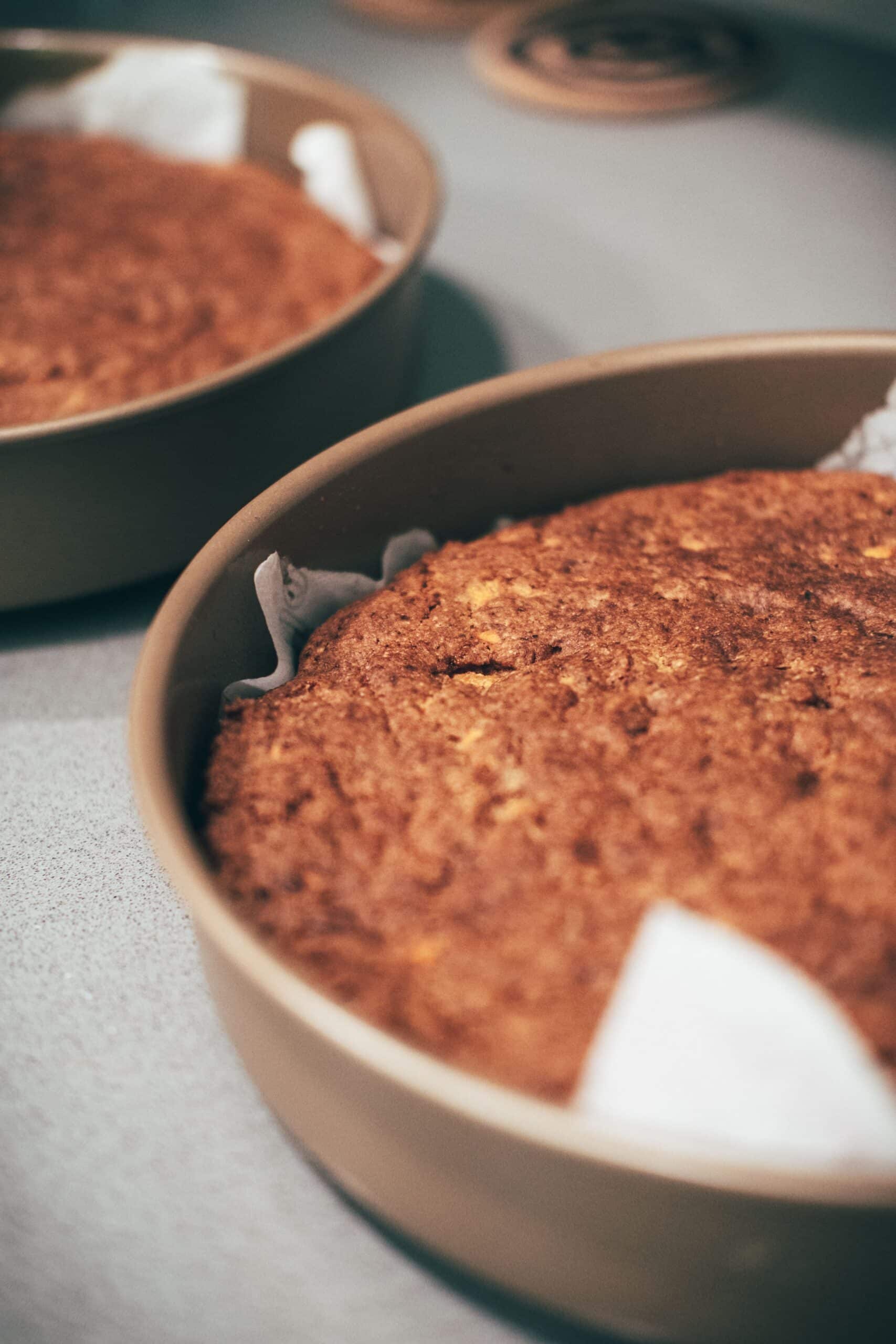
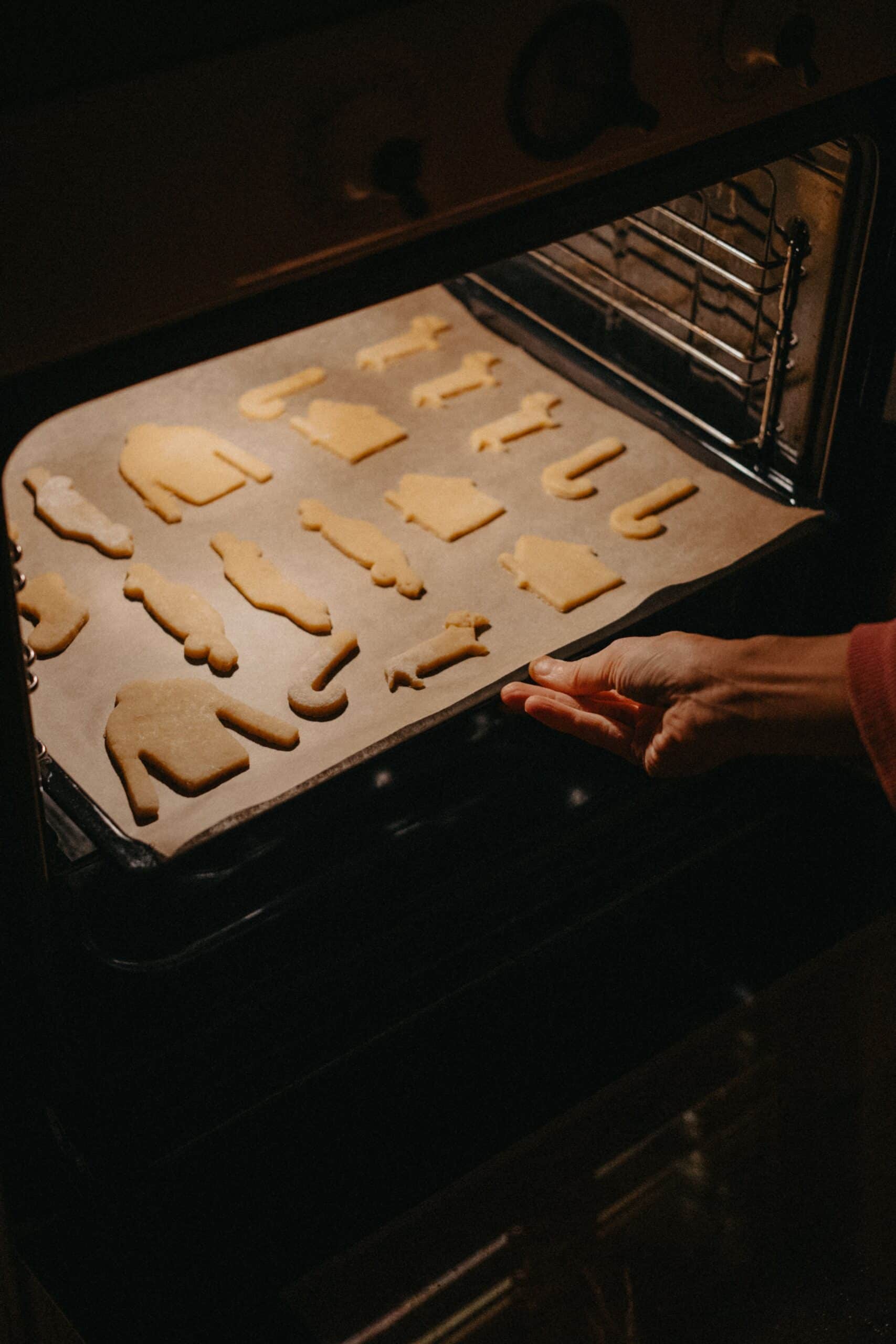
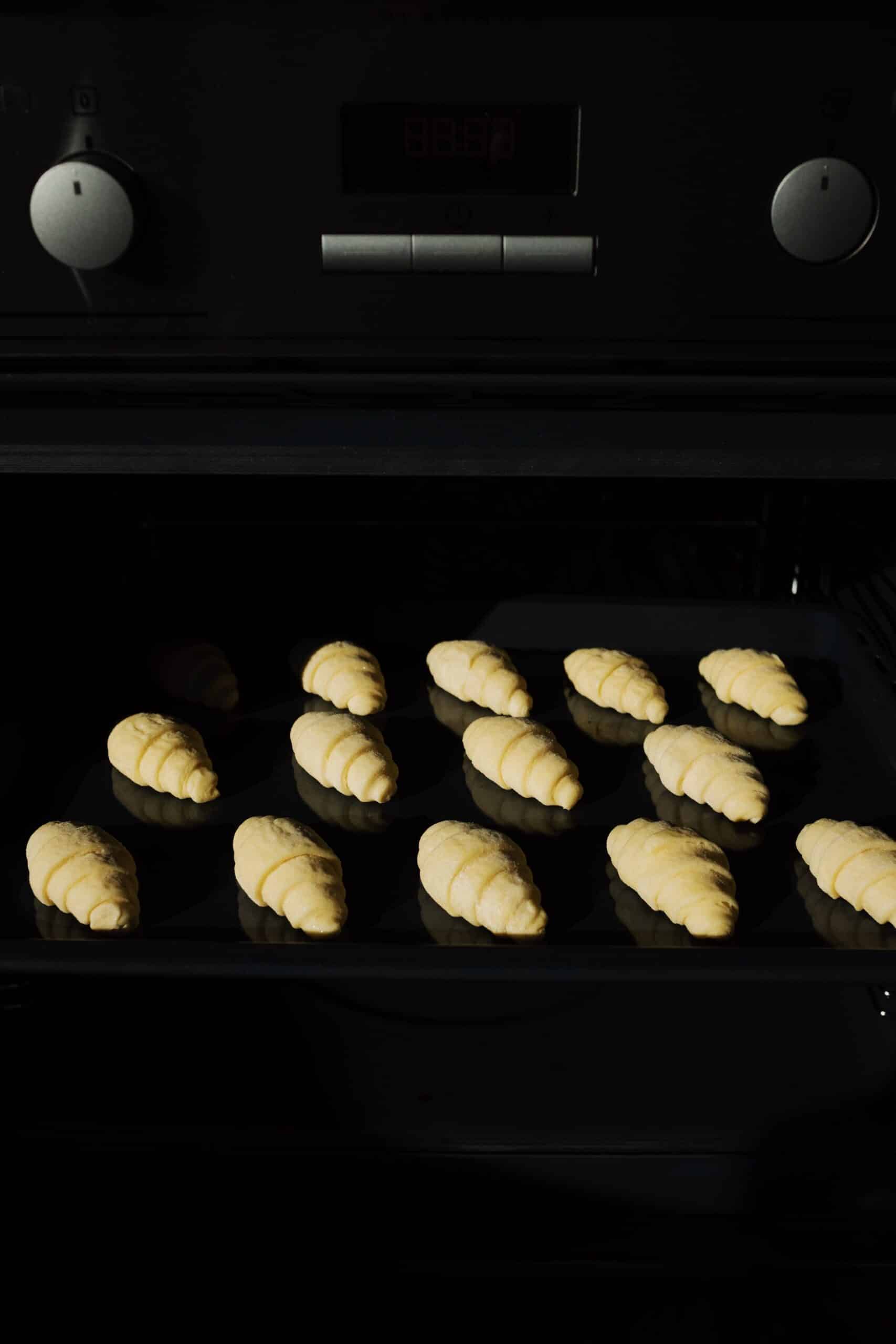
Cooking and baking channel creativity into a productive, sensory-rich activity. While elaborate recipes demand time, plenty of simple dishes come together in minutes, letting you cook whenever hunger and free time align.
The process of measuring, mixing, and creating offers a meditative focus that distracts from daily worries. Baking in particular has gained recognition as a therapeutic outlet, with the predictable steps providing comfort and the finished product offering tangible reward.
For those with erratic schedules, batch cooking and meal prepping turn the hobby into practical self-care. You can experiment with new cuisines on days off and enjoy the results throughout busier periods. The kitchen becomes both a creative studio and a source of nourishment.
9. Listening to Music or Podcasts
Curating playlists and exploring podcasts requires zero scheduling commitment, making it ideal for chaotic lives. You can dive into a fascinating episode during a commute or play calming music while completing other tasks, seamlessly weaving relaxation into your day.
Music has profound effects on mood, capable of reducing stress, boosting energy, or aiding sleep depending on your selection. Building themed playlists for different moments—focus, relaxation, or motivation—becomes a creative pursuit in itself.
Podcasts offer endless variety, from true crime and comedy to educational deep-dives. The pause-and-resume nature suits interrupted schedules perfectly. This hobby pairs effortlessly with other activities, maximizing relaxation without demanding dedicated time blocks.
10. Puzzles and Brain Games
Jigsaw puzzles, crosswords, and Sudoku provide engaging mental relaxation you can enjoy in flexible increments. A jigsaw puzzle can stay assembled on a table, inviting you to add a few pieces whenever you pass by—no need to finish in one sitting.
These activities offer a meditative quality, focusing your attention and quieting mental chatter. Research suggests puzzle-solving may support cognitive health while delivering a satisfying sense of accomplishment with each completed section.
Mobile apps make brain games endlessly portable, perfect for filling unexpected gaps in your day. Whether you prefer the tactile satisfaction of physical puzzles or the convenience of digital versions, this hobby adapts to whatever pockets of time your schedule allows, keeping your mind sharp and relaxed simultaneously.