1. Gardening
Gardening is one of the most therapeutic hobbies you can adopt, and it requires nothing but soil, seeds, and a little patience. Tending to plants connects you with nature and provides gentle physical activity that reduces cortisol levels. Whether you cultivate vegetables, herbs, or flowers, watching your garden flourish offers a profound sense of accomplishment. Studies have shown that exposure to soil bacteria can naturally boost serotonin, improving your mood. Even apartment dwellers can enjoy container gardening on balconies or windowsills, making this a versatile, screen-free escape.
2. Reading Physical Books
There’s something irreplaceable about holding a physical book, turning its pages, and getting lost in a story without notifications interrupting you. Reading reduces stress by transporting your mind into another world, lowering heart rate and easing muscle tension. Building a personal library or visiting your local bookstore adds excitement to the hobby. Fiction sparks imagination, while nonfiction expands your knowledge. Dedicating just 20 minutes a day to reading can significantly improve focus, vocabulary, and emotional well-being—all while staying completely offline.
3. Knitting and Crocheting
Knitting and crocheting are rhythmic, meditative crafts that calm the nervous system. The repetitive hand movements create a soothing effect similar to meditation, helping reduce anxiety and stress. Beyond relaxation, you produce something tangible—scarves, blankets, hats, or sweaters—that you can use or gift to loved ones. These crafts are budget-friendly to start, requiring only yarn and needles or a hook. Many enthusiasts describe entering a “flow state” where worries fade and creativity takes over.
4. Painting and Drawing
Expressing yourself through paint or pencil offers an emotional outlet that words sometimes can’t provide. Art therapy is widely recognized for its ability to relieve stress and process complex emotions. You don’t need to be a professional artist; the simple act of creating brings joy and relaxation. Watercolors, acrylics, sketching, or coloring books all qualify. Setting up a small home studio or sketching outdoors allows you to slow down, observe your surroundings, and channel your thoughts onto a canvas or page.
5. Journaling
Journaling is a powerful tool for mental clarity and emotional release. Writing down your thoughts, gratitude lists, or daily reflections helps you process experiences and reduce overthinking. Unlike digital notes, handwriting engages the brain more deeply, improving memory and mindfulness. You can keep a diary, a bullet journal, or even a creative writing notebook. This quiet practice requires only a pen and paper, making it accessible anywhere, anytime, and ideal for unwinding before bed.
6. Yoga and Stretching
Yoga combines gentle movement, controlled breathing, and mindfulness to relax both body and mind. Practicing at home with simple poses improves flexibility, reduces tension, and promotes inner peace. You don’t need online classes—a beginner’s book or memorized routine works perfectly. Even ten minutes of stretching each morning can release stiffness and prepare you for a calmer day. Yoga’s emphasis on breath control activates the parasympathetic nervous system, naturally lowering stress and enhancing relaxation.
7. Cooking and Baking
Preparing meals from scratch is a sensory experience that engages your hands, nose, and taste buds. Cooking and baking allow you to experiment with flavors, follow cherished recipes, and nourish yourself and others. The process can be incredibly grounding, redirecting your attention away from daily worries. Kneading dough, chopping vegetables, or decorating cakes offers a satisfying creative outlet. Best of all, you enjoy a delicious reward at the end, making this hobby both relaxing and practical.
8. Birdwatching

Birdwatching invites you to slow down and appreciate the natural world. Sitting quietly in your backyard or a nearby park, observing different species, sharpens your senses and fosters mindfulness. This peaceful hobby requires only a pair of binoculars and a field guide. Identifying birds by their colors and songs becomes a rewarding challenge over time. Spending time outdoors in green spaces has been proven to reduce stress, lower blood pressure, and improve overall mental health.
9. Puzzles and Board Games
Jigsaw puzzles and board games provide screen-free entertainment that exercises the brain while easing tension. Completing a puzzle requires focus and patience, offering a meditative experience as you piece together an image. Board games, on the other hand, encourage social connection and laughter when played with family or friends. These activities improve cognitive skills, memory, and problem-solving abilities. They’re perfect for cozy evenings, rainy days, or whenever you crave relaxed, unplugged fun.
10. Playing a Musical Instrument
Learning to play an instrument is a deeply rewarding way to relax and express yourself. Whether it’s the guitar, piano, ukulele, or flute, making music reduces stress and stimulates the brain. The practice requires concentration that pulls you into the present moment, easing anxious thoughts. Over time, you’ll experience the joy of mastering songs and improving your skills. Even simple melodies can soothe the soul and provide a fulfilling, offline creative escape.
11. Embroidery and Cross-Stitch
Embroidery and cross-stitch are timeless needlework hobbies that combine creativity with relaxation. The careful, repetitive stitching promotes focus and calmness, much like meditation. You can create decorative wall art, personalized gifts, or embellish clothing with intricate designs. These crafts are portable and inexpensive, requiring only fabric, thread, and a needle. Watching a detailed pattern come to life stitch by stitch delivers a satisfying sense of progress and pride in your handiwork.
12. Calligraphy and Hand Lettering
Calligraphy transforms ordinary writing into elegant art. This mindful hobby requires steady hands and deliberate strokes, encouraging patience and concentration. Practicing beautiful lettering can be incredibly soothing, allowing your mind to focus solely on each curve and line. Beginners can start with basic pens and practice sheets before advancing to dip pens and ink. The finished pieces make stunning decorations, cards, or gifts, blending artistic expression with quiet relaxation.
13. Woodworking and Whittling
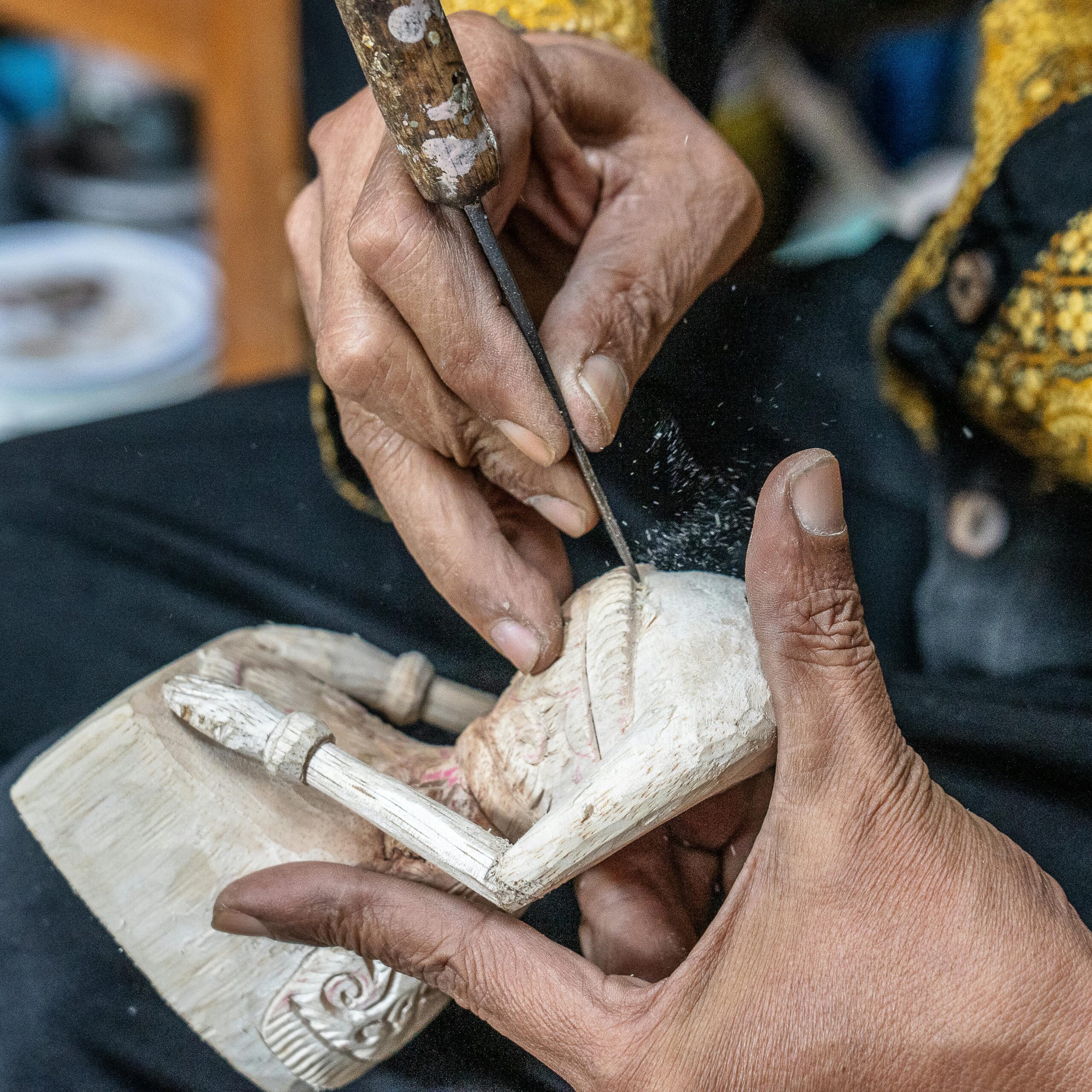
Working with wood is a hands-on hobby that delivers both relaxation and a sense of craftsmanship. Whittling small figures with a simple knife or building furniture engages your mind and body in a fulfilling way. The tactile nature of carving and sanding wood is grounding and meditative. As you shape raw material into something functional or decorative, you’ll experience deep satisfaction. This traditional craft connects you to a slower, more intentional pace of life.
14. Stargazing
Gazing at the night sky is a humbling, peaceful experience that requires no technology beyond perhaps a basic telescope. Identifying constellations, watching for shooting stars, or simply admiring the moon fosters wonder and tranquility. Stargazing encourages you to step away from daily stress and contemplate the vastness of the universe. It’s a free, accessible hobby that pairs beautifully with quiet evenings outdoors. The calming darkness and twinkling stars naturally promote relaxation and reflection.
15. Pottery and Clay Modeling
Molding clay with your hands is an incredibly therapeutic activity that engages your sense of touch and creativity. Pottery and clay modeling allow you to create bowls, vases, sculptures, or decorative pieces from scratch. The tactile, messy nature of working with clay is grounding and stress-relieving, helping you stay present. Whether you use a pottery wheel or hand-build your creations, the process encourages patience and mindfulness. Producing functional art adds an extra layer of satisfaction to this calming hobby.
Each of these hobbies offers a refreshing break from screens, helping you reconnect with yourself and the world around you. By dedicating time to offline activities, you cultivate mindfulness, reduce stress, and rediscover the simple pleasures that make life more meaningful and balanced.