1. Reading Fiction or Nonfiction
Reading remains one of the most accessible quiet hobbies for recharging your mind between shifts. Whether you prefer gripping thrillers, self-improvement books, or historical biographies, immersing yourself in a good book reduces stress by up to 68%, according to research from the University of Sussex. Keep a paperback in your bag or load an e-reader with titles you’ve been meaning to explore. Even 20 minutes of focused reading can transport you away from workplace pressures and improve concentration over time.
2. Journaling Your Thoughts
Journaling offers a powerful, low-cost way to process emotions and clear mental clutter. Spending a few minutes writing about your day, jotting down gratitude lists, or planning future goals helps regulate your mood and reduce anxiety. This reflective practice creates a private space to untangle thoughts that build up during busy shifts. Bullet journaling, in particular, has gained popularity for combining organization with creative expression, making it ideal for those who enjoy structure alongside self-reflection.
3. Practicing Mindfulness Meditation
Mindfulness meditation requires nothing but a quiet corner and a few minutes of your time. By focusing on your breath and observing your thoughts without judgment, you activate the body’s relaxation response, lowering cortisol levels and easing tension. Apps like Headspace and Calm provide guided sessions tailored to short breaks. Regular meditation enhances emotional resilience, sharpens focus, and helps shift workers reset between demanding periods at work.
4. Sketching and Drawing
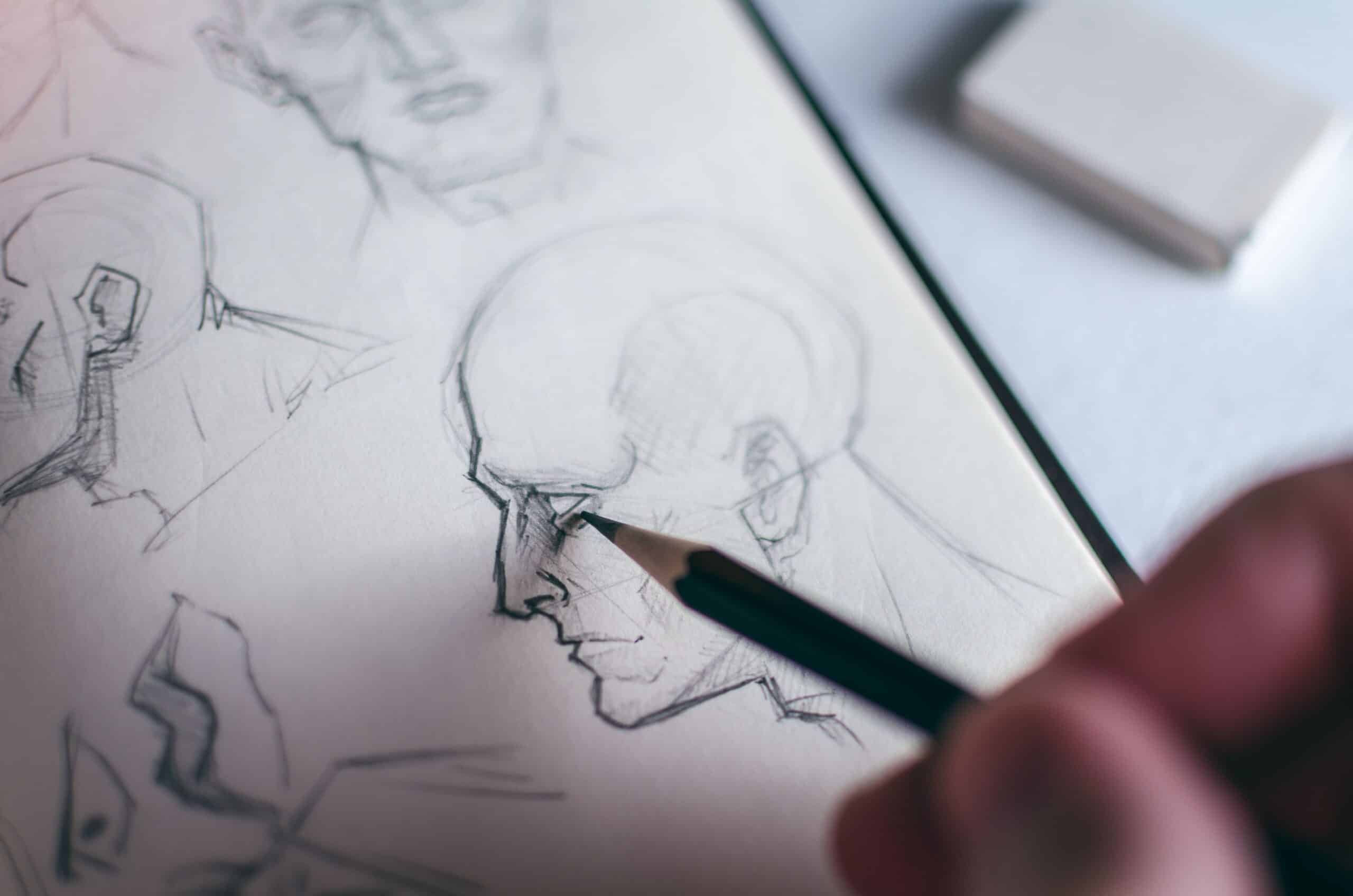
Picking up a pencil and sketchbook unlocks a meditative creative flow that quiets the mind. You don’t need to be an artist to benefit—doodling, drawing simple objects, or following online tutorials engages the brain in a soothing, screen-free activity. Sketching improves observation skills, fine motor coordination, and provides a satisfying sense of accomplishment. Carry a small notebook so you can capture ideas or scenes during downtime wherever you are.
5. Knitting or Crocheting
The rhythmic, repetitive motions of knitting and crocheting produce a calming effect similar to meditation. These portable hobbies allow you to create scarves, blankets, or gifts while keeping your hands busy and your mind centered. Studies show that needlework can lower heart rate and reduce stress hormones. Beginner kits make starting easy, and the tangible results offer a rewarding way to fill quiet hours productively.
6. Solving Puzzles
Jigsaw puzzles, crosswords, Sudoku, and brain teasers provide gentle mental stimulation that sharpens cognitive function. These activities encourage problem-solving and pattern recognition while offering a screen-free escape. Completing a puzzle delivers a dopamine boost, reinforcing focus and patience. Keep a pocket-sized puzzle book handy or work on a larger jigsaw at home to unwind gradually after a hectic shift.
7. Listening to Podcasts or Audiobooks
For those who prefer to rest their eyes, podcasts and audiobooks offer enriching entertainment without effort. From true crime and comedy to educational deep-dives, there’s content for every interest. Listening allows you to relax in a darkened room, take a quiet walk, or simply lie down while absorbing new ideas. This hobby fits seamlessly into transitional moments and keeps your mind engaged without overstimulation.
8. Tending to Houseplants
Caring for plants connects you with nature and instills a calming sense of routine. Watering, pruning, and watching new growth fosters mindfulness and responsibility while improving indoor air quality. Studies suggest that interacting with greenery reduces psychological stress and promotes wellbeing. Low-maintenance options like succulents, pothos, and snake plants thrive with minimal attention, making them perfect for busy schedules.
9. Writing Poetry or Short Stories
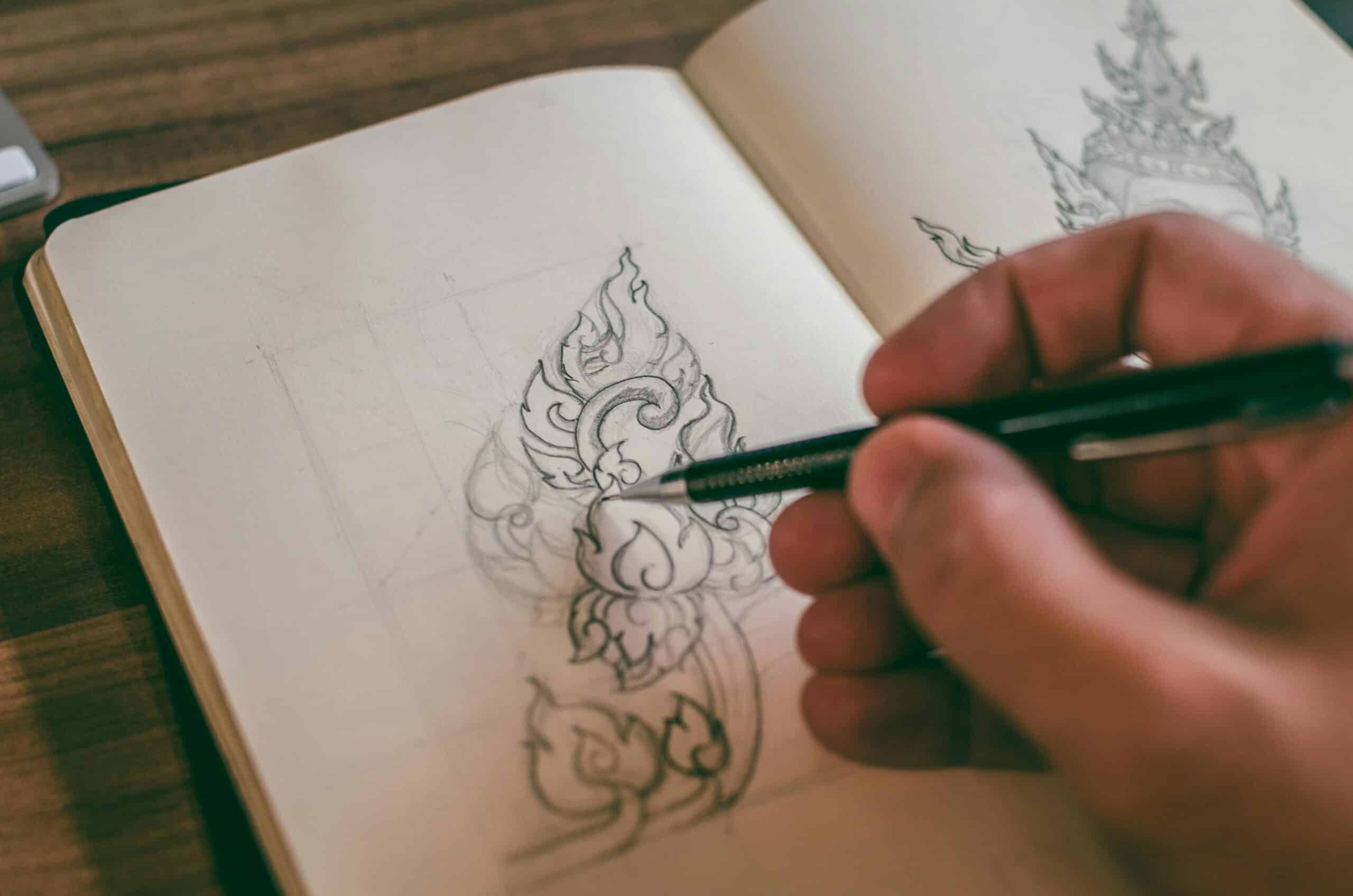
Creative writing channels your imagination into a deeply restorative pursuit. Crafting poems, short stories, or even personal essays allows you to express feelings and explore ideas in a meaningful way. This hobby strengthens vocabulary, encourages introspection, and offers an emotional outlet. You can write freely without any pressure to share, making it a private sanctuary for your thoughts between shifts.
10. Practicing Calligraphy
Calligraphy combines artistry with focused precision, producing beautiful lettering while calming the nervous system. The deliberate, slow strokes demand concentration that naturally pulls you into the present moment. Starter kits with brush pens or dip pens are widely available, and online tutorials guide beginners through basic techniques. Over time, you’ll develop an elegant skill that doubles as a stress-relieving ritual.
11. Doing Yoga or Gentle Stretching
Yoga and gentle stretching ease physical tension accumulated during long shifts while quieting mental chatter. Slow, mindful movements paired with deep breathing improve flexibility, posture, and circulation. Even a brief 10-minute session can relieve stiffness and reset your energy. Many free video resources cater to beginners, allowing you to practice in the comfort of your own space without special equipment.
12. Coloring for Adults
Adult coloring books have surged in popularity as a therapeutic, screen-free hobby. Filling intricate designs with color engages the brain’s creative and logical sides, fostering relaxation and reducing anxiety. The repetitive motion mimics meditation, helping you decompress after stressful tasks. With countless themed books available—mandalas, nature scenes, geometric patterns—you can easily find designs that resonate with your mood.
13. Birdwatching
Birdwatching invites you to slow down and observe the natural world with quiet attentiveness. Whether from a window, balcony, or local park, watching birds fosters patience and mindfulness. Identifying different species adds an element of discovery, and many enthusiasts keep logs of their sightings. This peaceful hobby connects you with nature, encourages gentle outdoor activity, and provides a refreshing mental break.
14. Learning a New Language
Studying a foreign language during downtime stimulates the brain and builds valuable skills. Apps like Duolingo and Babbel break lessons into bite-sized sessions perfect for short breaks. Language learning improves memory, enhances cognitive flexibility, and opens doors to new cultures. The steady sense of progress keeps you motivated, transforming idle moments into productive, enriching experiences.
15. Cooking or Baking Simple Recipes
Preparing food can be a soothing, sensory-rich hobby that nourishes both body and mind. Experimenting with simple recipes encourages creativity while delivering the comforting reward of a homemade meal or treat. The focused process of measuring, mixing, and cooking provides a meditative escape from daily stress. Baking, in particular, offers therapeutic repetition and the joy of sharing your creations with others.
Why Quiet Hobbies Matter for Shift Workers
Filling the time between shifts with calming activities does more than pass the hours—it actively supports your mental and physical health. Quiet hobbies counteract the fatigue, stress, and irregular routines common among shift workers. By dedicating even small pockets of time to restful, engaging pursuits, you replenish your energy, improve focus, and cultivate a healthier work-life balance.
Choosing hobbies that require minimal setup ensures you can easily integrate them into unpredictable schedules. The key is consistency: returning to a beloved activity creates a comforting rhythm that anchors your day. Whether you crave creative expression, mental stimulation, or pure relaxation, these 15 options offer something for every personality and lifestyle.
Experiment with several hobbies to discover which ones resonate most with you. Pay attention to how each activity makes you feel and adjust accordingly. Over time, these quiet pursuits become valuable tools for managing stress, boosting mood, and recharging your mind—helping you arrive at your next shift feeling refreshed, centered, and ready to perform at your best.