Why a Solo Calming Routine Matters
In a world that rarely slows down, carving out intentional time for yourself isn’t a luxury—it’s a necessity. A calming solo routine gives your nervous system a chance to reset, reduces chronic stress, and helps you reconnect with your inner self. Research from the American Psychological Association consistently links regular self-care practices with lower anxiety levels, improved emotional resilience, and better overall well-being.
Unlike random moments of relaxation, a structured routine trains your mind and body to anticipate calm. Over time, this consistency rewires your stress response, making peace your default state rather than a fleeting escape.
Step 1: Choose Your Sacred Time
The foundation of any successful routine is consistency, and that begins with timing. Identify a window in your day when you can be uninterrupted for at least 20 to 30 minutes.
- Morning routines set a peaceful tone before daily demands arrive.
- Evening routines help you decompress and improve sleep quality.
- Midday breaks offer a powerful reset when stress peaks.
Choose a time you can realistically protect every day. Even 15 minutes practiced daily delivers more benefit than an hour practiced sporadically. Mark it on your calendar and treat it as a non-negotiable appointment with yourself.
Step 2: Design a Dedicated Space
Your environment shapes your mental state. Creating a designated calming space signals to your brain that it’s time to slow down. You don’t need an entire room—a quiet corner works beautifully.
Consider these elements:
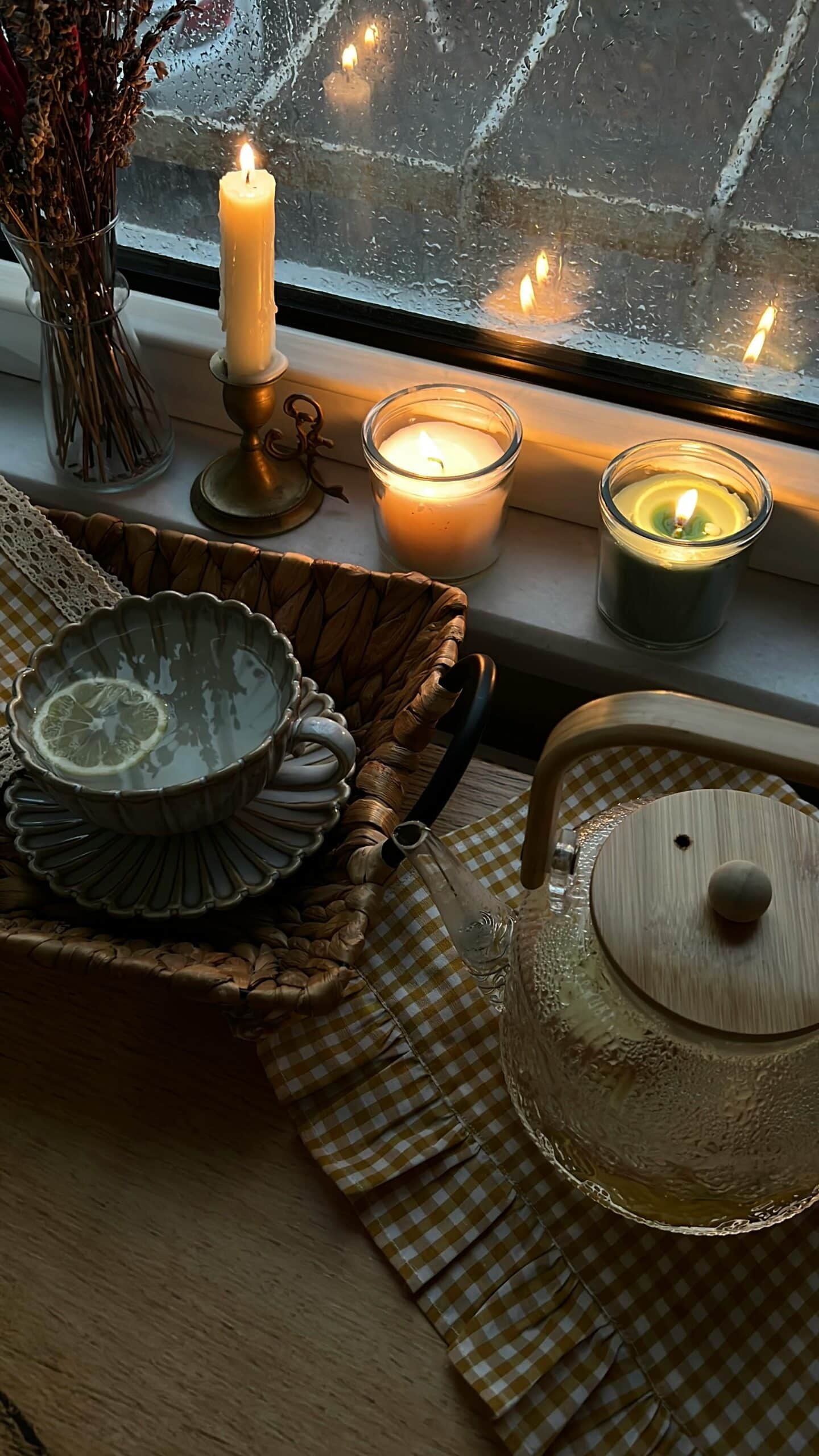
- Soft lighting such as a salt lamp, candles, or warm-toned bulbs
- Comfortable seating like a floor cushion, armchair, or yoga mat
- Natural elements including plants, stones, or a small water feature
- Minimal clutter, since visual chaos creates mental noise
Engage your senses intentionally. A diffuser with lavender or chamomile essential oil, a soft blanket, or calming background sounds can transform an ordinary space into a sanctuary.
Step 3: Begin with Mindful Breathing
Breathwork is the fastest, most accessible way to activate your parasympathetic nervous system—the body’s natural relaxation mode. Start every routine with a few minutes of conscious breathing.
Try the 4-7-8 technique:
- Inhale quietly through your nose for 4 seconds.
- Hold your breath for 7 seconds.
- Exhale slowly through your mouth for 8 seconds.
- Repeat for four to six cycles.
This practice lowers heart rate, reduces cortisol, and anchors you in the present moment. Focus entirely on the sensation of air moving through your body, gently redirecting your attention whenever your mind wanders.
Step 4: Incorporate Gentle Movement
Calm doesn’t mean complete stillness. Gentle movement releases physical tension stored from stress and reconnects you with your body. Choose practices that feel soothing rather than strenuous.
Effective options include:
- Slow yoga flows like child’s pose, cat-cow, and forward folds
- Stretching sequences targeting the neck, shoulders, and lower back
- Tai chi or qigong for flowing, meditative motion
- A mindful walk in nature or around your home
Move slowly and deliberately, paying attention to how each motion feels. The goal is awareness, not performance. Let your breath guide the pace of your movements.
Step 5: Practice Meditation or Stillness
Once your body is relaxed, transition into a period of mental stillness. Meditation strengthens your ability to observe thoughts without being swept away by them.
For beginners, guided meditations are ideal. Apps like Calm, Insight Timer, or Headspace offer sessions ranging from five to twenty minutes. If you prefer unguided practice, simply sit quietly and focus on a single anchor—your breath, a candle flame, or a repeated word.
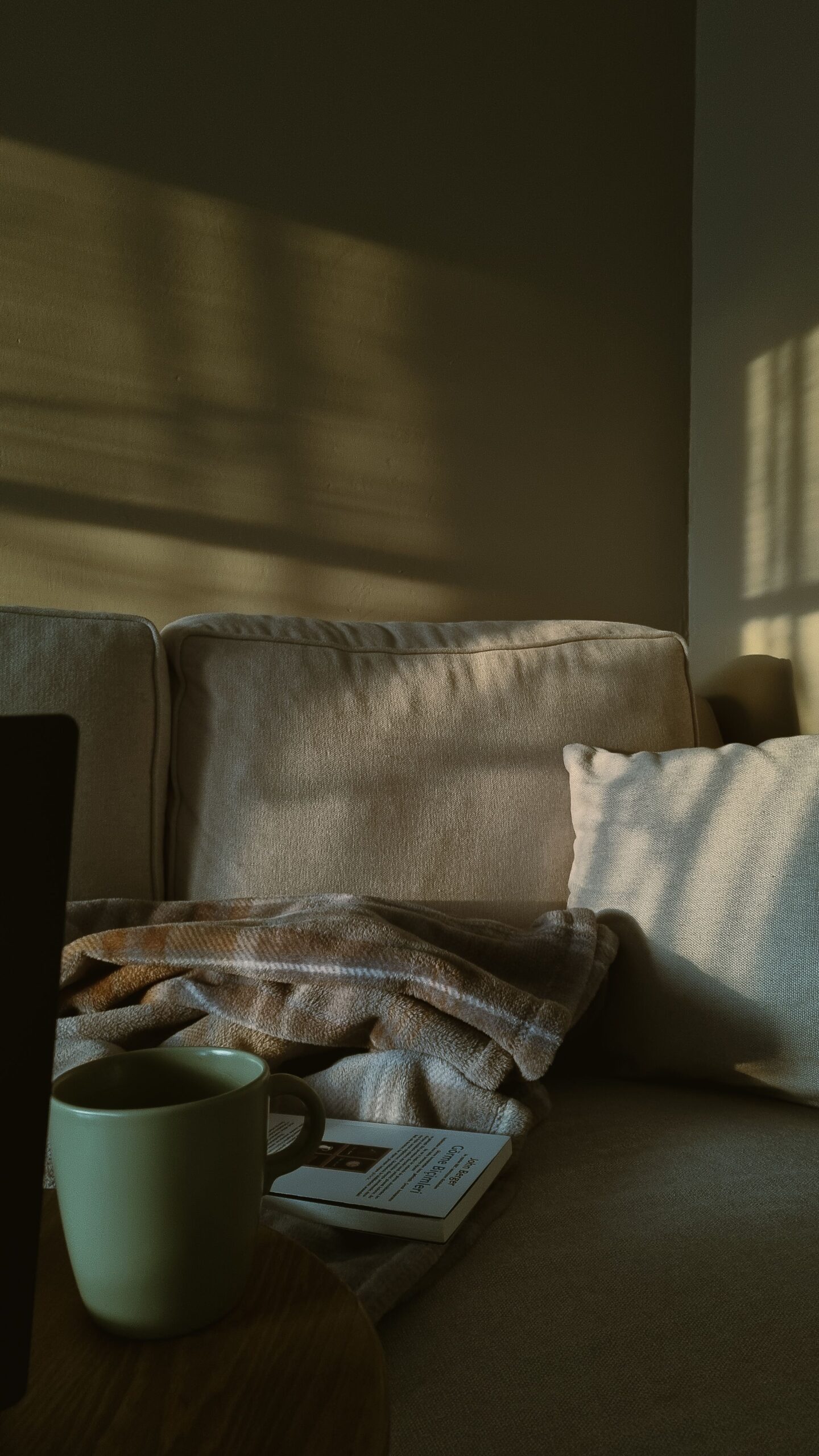
When thoughts arise, acknowledge them without judgment and gently return your focus. Consistency matters more than duration. Studies show that even brief daily meditation can measurably reduce anxiety and improve concentration within weeks.
Step 6: Add a Reflective Ritual
Reflection deepens self-awareness and helps process emotions that accumulate throughout the day. Journaling is one of the most powerful reflective tools available.
Consider writing about:
- Three things you’re grateful for to shift toward positivity
- Current emotions to release and understand them
- Small wins from your day to build self-appreciation
- Intentions for how you want to feel moving forward
If writing feels like a chore, try simple prompts or bullet points. Even a few honest sentences can bring clarity and emotional relief. Pair journaling with a warm cup of herbal tea to enhance the soothing experience.
Step 7: Engage Your Senses Mindfully
Sensory experiences ground you firmly in the present, interrupting the cycle of anxious thoughts. Dedicate part of your routine to mindful sensory engagement.
Ideas to explore:
- Sip a warm beverage slowly, noticing temperature, aroma, and taste.
- Listen to calming music or nature sounds with full attention.
- Apply a soothing skincare ritual as a form of self-touch.
- Hold a textured object like a smooth stone or soft fabric.
These small acts of presence remind your nervous system that you are safe, here, and now.
Step 8: Close with Intention
End your routine deliberately rather than letting it dissolve. A closing ritual reinforces the peace you’ve cultivated and carries it into the rest of your day.
Try one of these gentle endings:
- Place a hand over your heart and silently thank yourself.
- Set a single positive intention for the hours ahead.
- Take three deep breaths before slowly standing up.
This intentional close creates a psychological boundary, helping you transition smoothly while preserving your calm.
Tips for Making Your Routine Stick
Building a lasting habit requires patience and flexibility. Use these strategies to stay consistent:
- Start small. Begin with just 10 minutes and expand gradually.
- Stack habits. Attach your routine to an existing daily activity.
- Track progress. Use a simple checklist or habit app for motivation.
- Stay flexible. Adapt your routine based on energy and mood.
- Release perfectionism. A missed day isn’t failure—just return tomorrow.
Common Mistakes to Avoid
Even well-intentioned routines can falter. Watch for these pitfalls:
- Overcomplicating it with too many steps, leading to overwhelm
- Using devices that pull you back into stimulation and distraction
- Forcing relaxation, which creates pressure instead of peace
- Comparing your practice to curated images on social media
Your routine should feel nourishing, not like another item on your to-do list. Honor what genuinely soothes you.
Personalizing Your Path to Peace
There is no universal formula for inner peace. The most effective routine is one that reflects your unique preferences, lifestyle, and emotional needs. Experiment with different combinations of breathing, movement, reflection, and sensory practices until you discover what resonates.
Pay attention to how each element makes you feel and adjust accordingly. As your needs evolve, allow your routine to evolve with you. The ultimate goal is creating a reliable, comforting practice that consistently returns you to a state of calm, clarity, and connection with yourself.