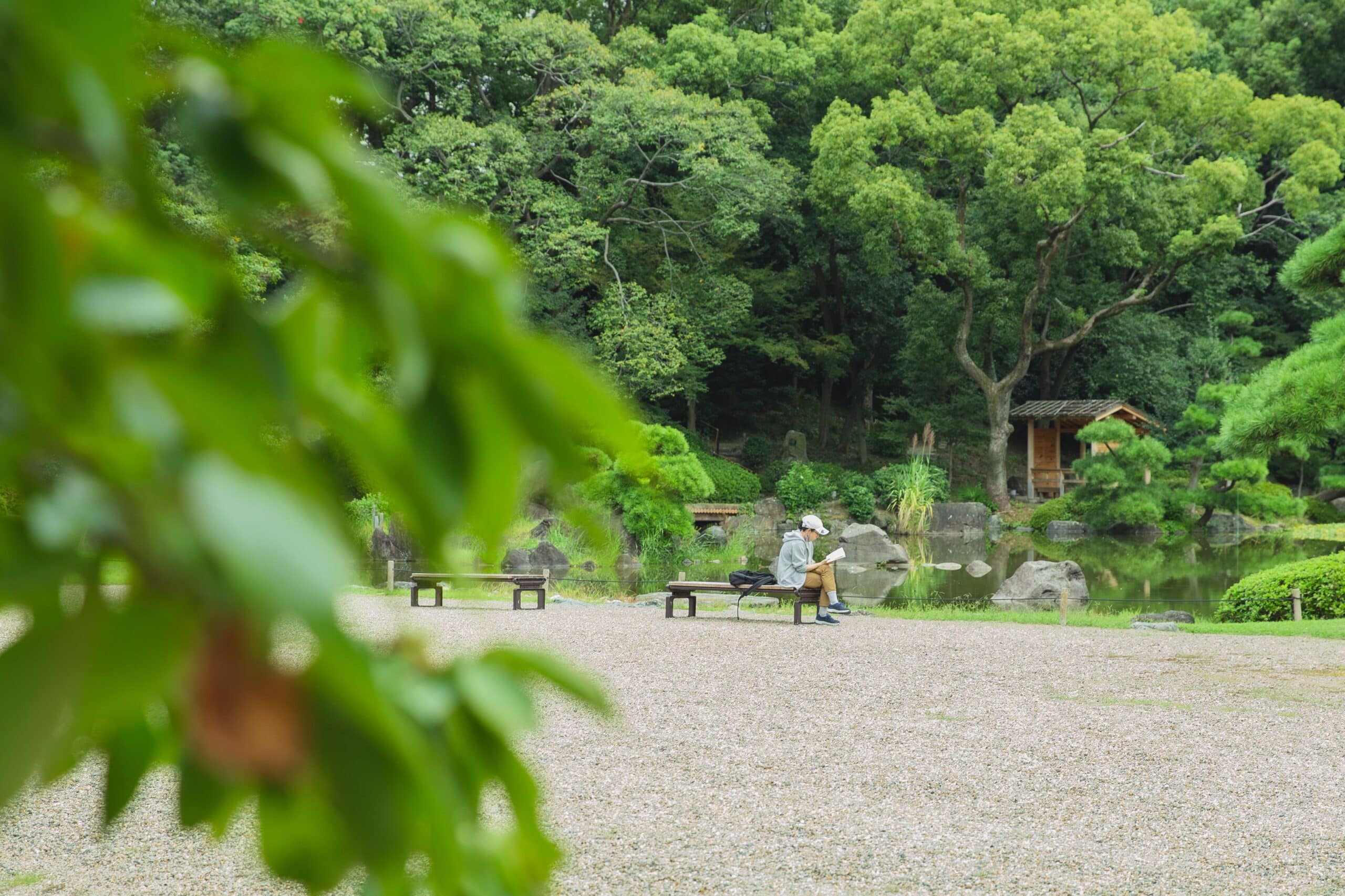
Why Night Shift Workers Need Calming Hobbies
Working nights or rotating shifts disrupts your natural circadian rhythm, often leaving you wired when you should be winding down. The right hobby can ease stress, signal your body that it’s time to relax, and fill those quiet pre-dawn or mid-afternoon hours when the rest of the world is asleep or unavailable. Calming hobbies also combat the isolation and burnout that frequently accompany unconventional schedules, giving structure and purpose to your downtime.
1. Reading Fiction or Audiobooks
Few activities decompress the mind like getting lost in a good book. Reading lowers heart rate and reduces stress levels by up to 68%, according to research from the University of Sussex. For night shift workers, fiction offers a gentle mental escape that doesn’t require bright screens or stimulating content before sleep.
If your eyes are tired from staring at monitors all night, audiobooks are an ideal alternative. You can listen with the lights dimmed, lying in bed, easing your body toward rest. Apps like Audible, Libby, and Spotify make thousands of titles accessible anytime, perfect for 3 a.m. quiet hours.
2. Journaling and Reflective Writing
Journaling provides a private outlet to process the emotional weight that often builds during odd-hour work. Writing about your day—or night—helps clear mental clutter, reduce anxiety, and improve sleep quality. Studies show expressive writing before bed can shorten the time it takes to fall asleep.
Try a simple gratitude journal, a stream-of-consciousness brain dump, or a structured bullet journal to track moods and sleep patterns. The repetitive, low-stimulation nature of writing by hand makes it an excellent transition activity between work and rest.
3. Knitting, Crocheting, and Needlecraft
Repetitive handcrafts like knitting and crocheting induce a meditative state similar to mindfulness practice. The rhythmic motion releases serotonin and reduces cortisol, the stress hormone. These crafts are portable, quiet, and require minimal setup—perfect for break rooms or quiet hours at home.
Beginners can start with simple scarves or dishcloths, gradually working toward more complex projects. The satisfaction of creating something tangible offers a rewarding counterbalance to the often intangible nature of shift work, while keeping idle hands busy during late-night downtime.
4. Adult Coloring and Drawing
Coloring isn’t just for children. Adult coloring books, particularly those with intricate mandalas and nature scenes, have surged in popularity as a stress-relief tool. The focused, repetitive motion quiets the brain’s anxiety centers, promoting a calm, present-focused mindset.
For those who prefer more freedom, sketching or doodling offers similar benefits without the pressure of perfection. Keep a sketchbook and quality colored pencils nearby. This screen-free, soothing activity is ideal for unwinding after a demanding shift without overstimulating your already-tired mind.
5. Indoor Gardening and Plant Care
Tending to plants connects you with living things and provides gentle, grounding routine—especially valuable when your schedule keeps you indoors during daylight. Caring for low-maintenance houseplants like pothos, snake plants, or succulents requires minimal effort but delivers calming rewards.
Indoor herb gardens add a practical bonus, supplying fresh basil or mint for your meals. Research links interacting with plants to lower blood pressure and reduced psychological stress. Even a small windowsill garden can become a peaceful daily ritual that anchors your unconventional schedule.
6. Meditation and Breathing Practices
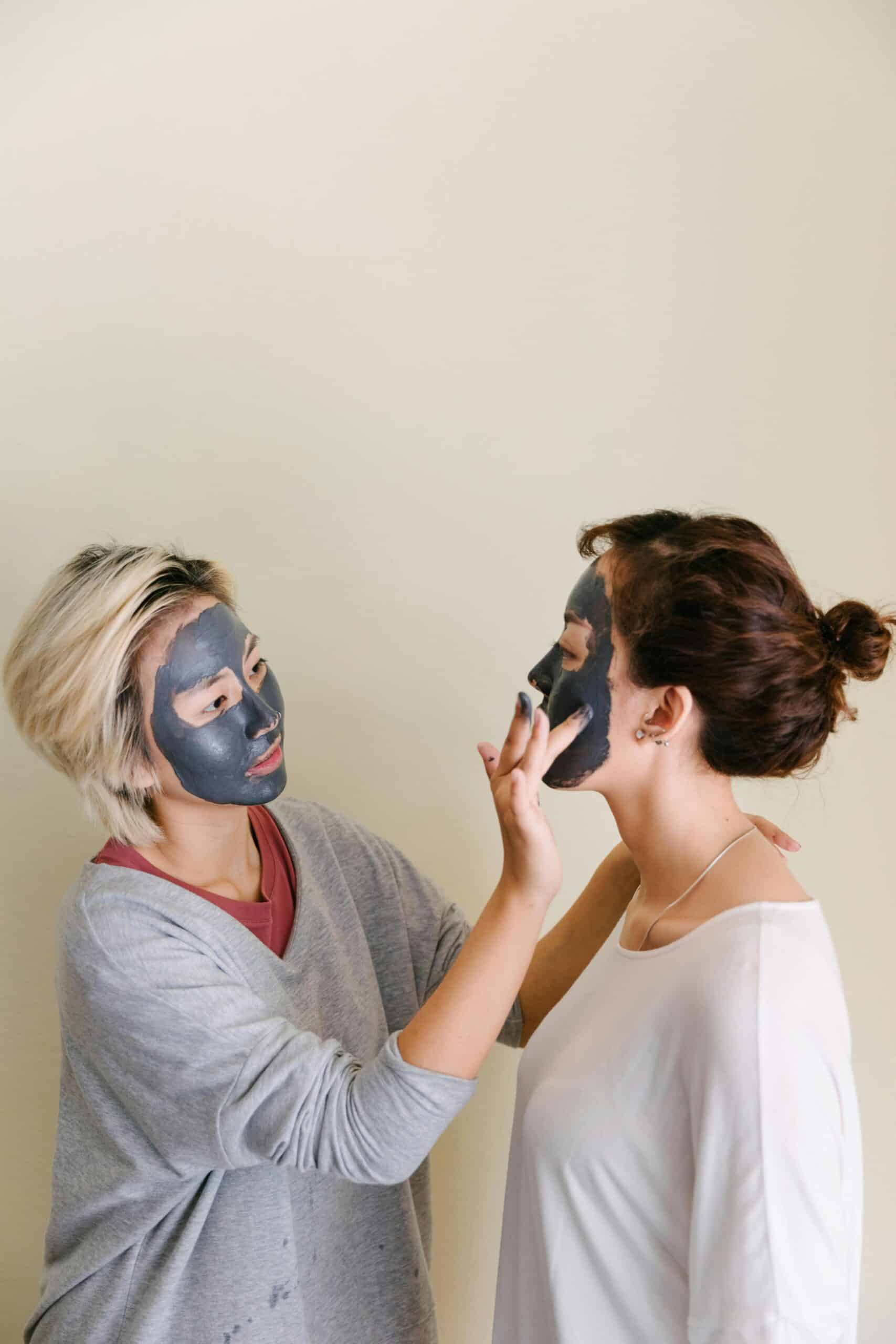
Meditation directly addresses the overstimulation and sleep difficulties common among night workers. Guided meditation apps like Calm, Headspace, and Insight Timer offer sessions designed specifically for sleep, anxiety, and relaxation, available at any hour.
Simple breathing techniques, such as the 4-7-8 method—inhaling for four counts, holding for seven, exhaling for eight—can be done anywhere to quickly calm the nervous system. Just ten minutes of daily practice improves sleep quality and emotional regulation, helping your body adapt to irregular rest patterns.
7. Puzzles and Brain Games
Jigsaw puzzles offer a uniquely satisfying blend of focus and relaxation. Assembling pieces engages the mind without overwhelming it, providing a meditative flow state that helps you decompress. The quiet, solitary nature suits the late hours when noise must be kept down.
Crossword puzzles, sudoku, and logic games offer similar benefits in smaller, portable formats. These activities keep your brain engaged during slow periods at work or during lonely off-hours at home, offering gentle mental stimulation that doesn’t disrupt your wind-down process.
8. Listening to Music or Curating Playlists
Music profoundly influences mood and stress levels. Slow-tempo instrumental music, classical pieces, or ambient soundscapes can lower heart rate and ease tension after a stressful shift. Creating themed playlists becomes a relaxing creative hobby in itself.
Explore genres like lo-fi beats, nature sounds, or binaural beats designed to promote relaxation and sleep. Listening through headphones lets you create a personal sanctuary, blocking out daytime noise when you need to rest while the rest of the household is active.
9. Baking and Simple Cooking
Baking is a therapeutic, sensory-rich hobby that fits naturally into quiet hours. Measuring, mixing, and kneading provide a meditative rhythm, while the warm aromas create a comforting environment. The structured process offers a sense of accomplishment and control.
For night workers, batch-cooking nutritious meals also solves the practical challenge of eating well on irregular schedules. Preparing soups, breads, or freezer-friendly dishes during your downtime ensures you have wholesome food ready, reducing reliance on unhealthy convenience options at odd hours.
10. Yoga and Gentle Stretching
Physical tension accumulates from long hours on your feet or hunched at a desk. Gentle yoga and stretching release this tension, improve circulation, and prepare the body for rest. Restorative and yin yoga styles focus on slow, deep poses ideal for winding down.
Numerous free video tutorials cater to all levels and schedules, letting you practice in the comfort of home whenever your shift ends. Combining movement with mindful breathing helps regulate your nervous system and signals to your body that it’s time to transition from work mode to relaxation.
Tips for Building a Hobby Routine Around Shift Work
Consistency matters more than duration. Even fifteen minutes of a calming hobby can meaningfully reduce stress and improve sleep. Schedule your chosen activity as a deliberate transition ritual between work and sleep to train your body’s wind-down response.
Choose hobbies that match your energy levels at different times. Save active pursuits like yoga for when you feel alert, and reserve passive activities like reading or audiobooks for the moments right before sleep. Avoid bright screens and stimulating content within an hour of bedtime to protect melatonin production.
Keep supplies accessible and portable so you can engage with your hobby during work breaks or unexpected quiet stretches. Rotating between several hobbies prevents boredom and keeps your downtime feeling fresh and restorative throughout demanding rotating schedules.
Finally, give yourself permission to rest without guilt. Hobbies aren’t about productivity—they’re about restoration. For night shift workers navigating a world built around daylight, these calming pursuits offer essential moments of peace, helping you stay balanced, healthy, and resilient through the most unconventional of hours.