1. Journaling for Emotional Clarity
Journaling is one of the most accessible quiet hobbies for restoring mental peace. Putting pen to paper allows you to process emotions, untangle racing thoughts, and gain perspective on daily stressors. Research published in the Journal of Experimental Psychology suggests that expressive writing can reduce anxiety and improve emotional regulation over time.
You don’t need any special skills to begin. A simple notebook and a few quiet minutes each morning or evening can transform your mindset. Try gratitude journaling to focus on positivity, or stream-of-consciousness writing to release pent-up worries. The act of slowing down to reflect creates a meditative rhythm that calms an overactive mind.
For those who feel overwhelmed by blank pages, guided prompts offer structure. Questions like “What made me feel at ease today?” gently steer your thoughts toward healing reflection.
2. Reading in a Cozy Corner
Few activities soothe the mind like getting lost in a good book. Reading transports you to another world, offering an escape from the constant noise of notifications and obligations. A University of Sussex study found that reading can reduce stress levels by up to 68%, making it more effective than listening to music or taking a walk.
Create a dedicated reading nook with soft lighting, a comfortable chair, and a warm blanket. Whether you prefer fiction, poetry, or nonfiction, the immersive nature of reading quiets mental chatter and encourages deep focus. Choose slower-paced genres for relaxation rather than fast, suspenseful thrillers that may heighten alertness.
Setting aside even 20 minutes of uninterrupted reading before bed can also improve sleep quality, signaling to your brain that it’s time to unwind.
3. Gardening and Tending Plants
Connecting with nature through gardening offers profound mental rest. The gentle, repetitive tasks of planting, watering, and pruning ground you in the present moment. Studies show that handling soil exposes you to beneficial microbes that may boost serotonin levels, naturally elevating your mood.
You don’t need a sprawling backyard to enjoy this hobby. A few potted herbs on a windowsill or a small balcony garden provides the same calming benefits. Watching plants grow over time fosters patience and a quiet sense of accomplishment.
Indoor plants like succulents, snake plants, or pothos require minimal effort while purifying the air and adding tranquil greenery to your space. The mindful care involved makes gardening a deeply restorative practice.
4. Knitting and Crocheting
The rhythmic motion of knitting or crocheting produces a meditative state similar to mindfulness. As your hands repeat the same gentle movements, your mind settles into a focused calm. Occupational therapists often recommend these crafts for reducing anxiety and managing stress-related conditions.
Beyond relaxation, knitting offers a tangible reward—a scarf, blanket, or sweater you’ve created with your own hands. This sense of productivity combats restlessness and gives idle moments meaning. The repetitive counting and patterns also occupy the mind just enough to crowd out anxious thoughts.
Beginners can start with simple projects and inexpensive yarn. Within a few sessions, the soothing motion becomes second nature, offering a portable hobby you can enjoy anywhere.
5. Coloring and Doodling
Adult coloring books surged in popularity for good reason—they offer a simple, screen-free way to relax. Coloring engages the brain in a focused yet effortless activity, allowing creativity to flow without pressure. Filling intricate patterns with color quiets mental noise and promotes a flow state.
Doodling works similarly, requiring no artistic talent or planning. Allowing your pen to wander across paper relieves tension and channels nervous energy into something productive. Research indicates that doodling can even improve focus and memory retention.
Keep colored pencils and a coloring book nearby for moments when you need a mental break. This low-commitment hobby fits easily into busy schedules and instantly shifts your attention away from stress.

6. Practicing Mindful Meditation
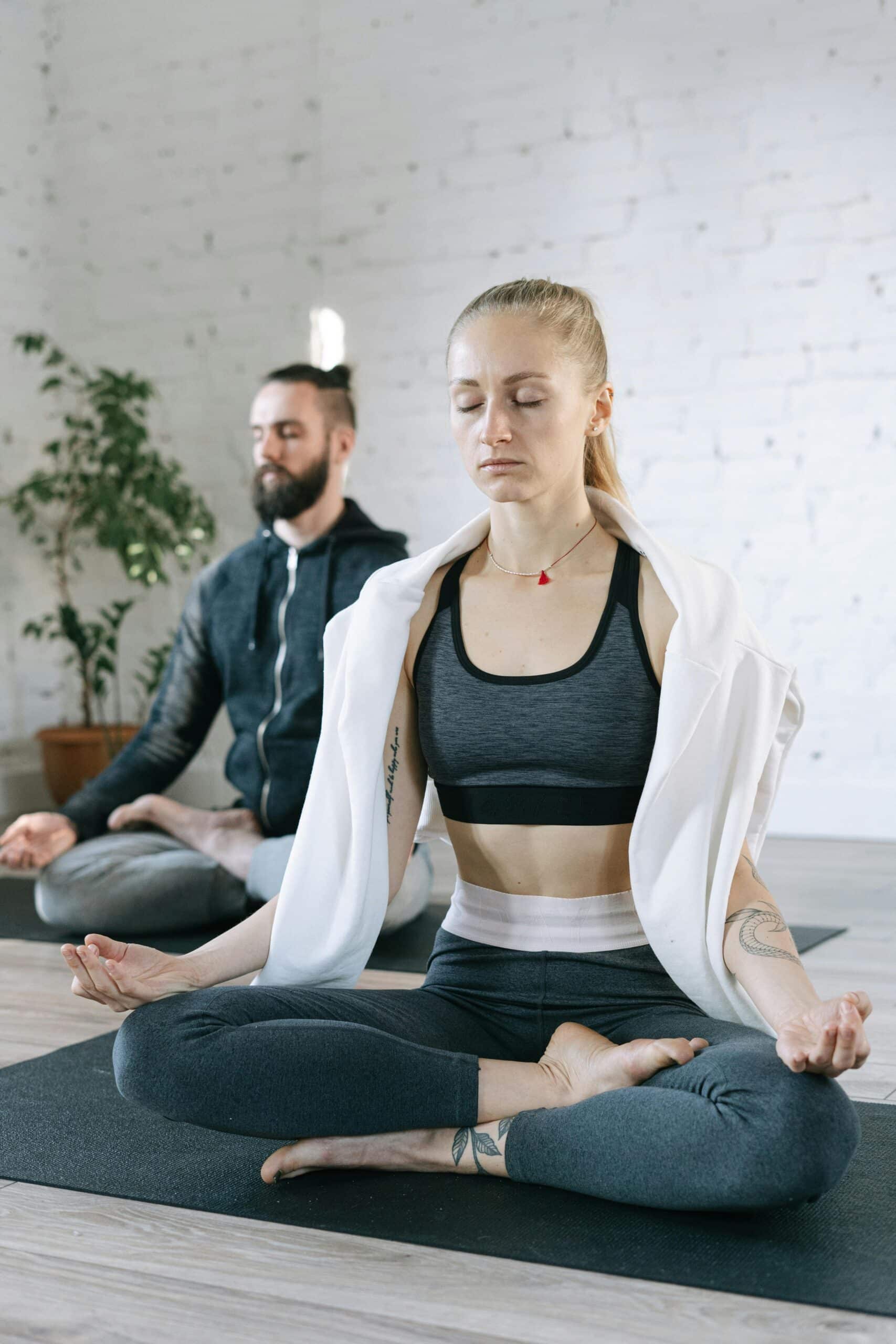
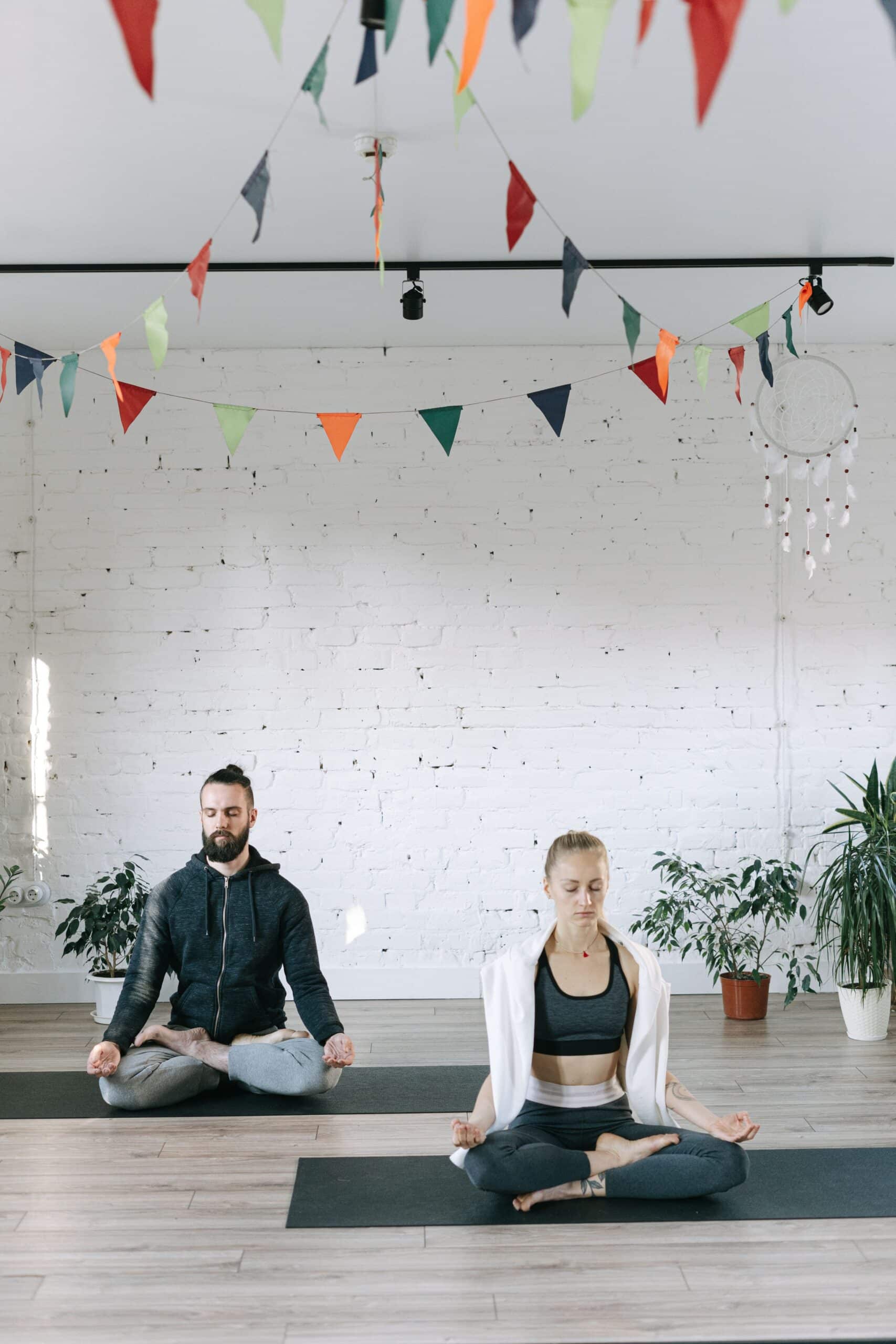
Meditation remains one of the most effective quiet hobbies for mental rest. By focusing on your breath or a single point of attention, you train your mind to release distractions and embrace stillness. Regular practice has been shown to lower cortisol levels, reduce blood pressure, and improve overall emotional resilience.
You can start with just five minutes a day. Sit comfortably, close your eyes, and observe your breathing without judgment. Guided meditation apps offer gentle structure for beginners who find silence intimidating.
Over time, meditation strengthens your ability to remain calm under pressure. This portable, free hobby requires nothing but your attention, making it one of the most sustainable paths to inner peace.
7. Baking and Bread-Making
Baking combines creativity, focus, and sensory pleasure into a deeply calming experience. Measuring ingredients, kneading dough, and watching bread rise demand presence and patience. The repetitive, tactile nature of kneading in particular offers a soothing, almost meditative quality.
Bread-making especially encourages slowing down. Allowing dough to rise teaches patience, while the warm aroma of baking fills your home with comfort. The satisfaction of creating something nourishing with your hands provides a quiet sense of pride.
Even simple recipes like cookies or muffins deliver mental benefits. Focusing on each step pulls your attention away from worries, while the reward of homemade treats brings joy to you and those you share them with.
8. Birdwatching and Nature Observation
Birdwatching invites you to slow down and observe the natural world with quiet attention. This gentle hobby cultivates patience, mindfulness, and a deeper connection to your surroundings. Studies suggest that spending time observing nature can lower stress and improve mood within minutes.
You don’t need expensive equipment to begin—just a pair of binoculars and a comfortable spot near a window or in a park. Keeping a journal of the birds you spot adds an engaging layer of discovery and learning.
The stillness required for birdwatching naturally calms the nervous system. Listening to birdsong and watching wildlife creates a peaceful escape from screens and the demands of modern life.
9. Puzzles and Brain Teasers
Working on jigsaw puzzles offers a meditative blend of focus and relaxation. Sorting pieces and slowly assembling an image engages your mind in a calming, repetitive task. This gentle mental challenge reduces stress while keeping your brain pleasantly occupied.
Puzzles encourage a flow state where time seems to melt away. The satisfaction of fitting pieces together provides small, steady rewards that boost mood and concentration. Unlike fast-paced games, puzzles promote patience and quiet contemplation.
Crossword puzzles, Sudoku, and word searches offer similar benefits in a portable format. These activities sharpen cognitive function while providing a screen-free way to decompress after a demanding day.
10. Calligraphy and Hand Lettering
The elegant art of calligraphy turns writing into a meditative practice. Each careful stroke requires concentration and steady hands, naturally slowing your breathing and quieting your thoughts. The deliberate pace makes it impossible to rush, encouraging full presence in the moment.
Hand lettering combines creativity with mindfulness, allowing you to craft beautiful words and phrases. The repetitive practice of forming letters becomes soothing over time, similar to the calming effects of meditation.
Starter kits with brush pens and practice sheets make calligraphy accessible to anyone. As your skills improve, you can create personalized cards, art, or journal entries—transforming a peaceful hobby into meaningful, handmade creations that bring quiet satisfaction and lasting calm.